
Air Duct Cleaning
Whatever your house, we've got the experience
HVAC: The Most Complicated System in Your House
Your heating and air conditioning system is often one of the most complicated systems in your home. Not many people realize how their air duct systems work and what those mysterious openings and grilles all over the house are. Here are some insights into the mysteries of your HVAC system:
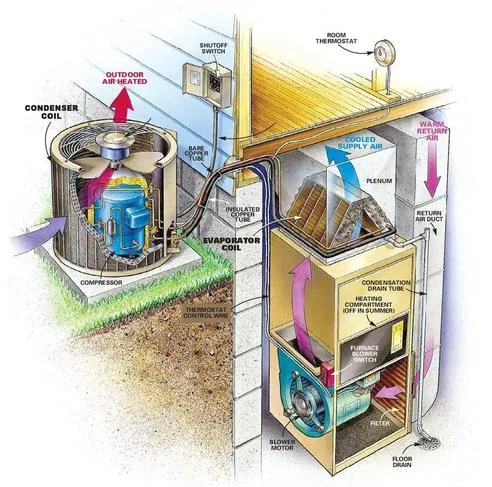
Air return vents mark the starting point of the ventilation cycle. The fan sucks air in via the return, draws it through a filter, then passes it into the air handler to either heat or cool it. Before air gets to the furnace it needs to be filtered. That's why there is a filter right next to the air handler, right where the main return duct ends. The blower motor inside the furnace is like the heart of your system. It draws the warm air through the main housing of the unit. The more efficiently air moves through, the better the durability of your system. Then, air passes through either the heating elements (gas burners, hot water coils, etc.) or cooling elements (A/C coil) and reaches the supply ducts. Finally, air reaches your house through the supply vents and the process starts over.
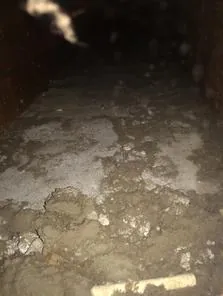
As your furnace and air conditioner run, they accumulate dust and debris on all interior surfaces of your air ducts. The filter removes some of this contamination. On top of that, most air ducts are dirty after the home was originally constructed. Many times this is overlooked and the system just gets progressively dirtier until it finally gets cleaned.
What Builds Up in Your Ducts
Typical mechanical particles found in an air duct system are:
- Carpet fiber
- Pet dander
- Construction debris
- Dust
- Dirt
- Pollen
- Small toys
- Dead rodents
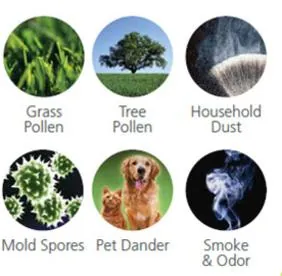
In addition to mechanical particles there are a lot of invisible allergens which affect indoor air quality even more drastically than mechanical particles. The most common pollutants are:
- Second-hand smoke. It is tobacco smoke which affects people other than the "active" smoker.
- Radon. Radon is an invisible, radioactive atomic gas that results from the radioactive decay of radium, which may be found in rock formations beneath buildings or in certain building materials themselves.
- Molds. These biological chemicals can arise from a host of means, but there are two common classes: (a) moisture induced growth of mold colonies and (b) natural substances released into the air such as animal dander and plant pollen.
- Carbon monoxide. One of the most acutely toxic indoor air contaminants is carbon monoxide (CO), a colorless, odorless gas that is a byproduct of incomplete combustion of fossil fuels.
- Volatile organic compounds (VOCs) are emitted as gases from certain solids or liquids. VOCs include a variety of chemicals, some of which may have short- and long-term adverse health effects. Concentrations of many VOCs are consistently higher indoors (up to ten times higher) than outdoors. VOCs are emitted by a wide array of products numbering in the thousands. Examples include: paints and lacquers, paint strippers, cleaning supplies, pesticides, building materials and furnishings, office equipment such as copiers and printers, correction fluids and carbonless copy paper, graphics and craft materials including glues and adhesives, permanent markers, and photographic solutions.
- Asbestos fibers. Many common building materials used before 1975 contain asbestos, such as some floor tiles, ceiling tiles, shingles, fireproofing, heating systems, pipe wrap, taping muds, mastics, and other insulation materials. Normally, significant releases of asbestos fiber do not occur unless the building materials are disturbed, such as by cutting, sanding, drilling, or building remodeling.
- Bacteria. There are many bacteria of health significance found in indoor air and on indoor surfaces.
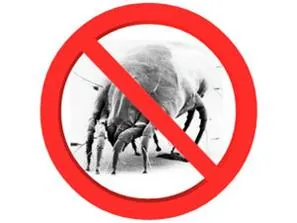
- Dust mites. Contrary to popular belief, dust mites do not live in air ducts. Their typical living space is mattresses, carpets and old clothes.
Before and After
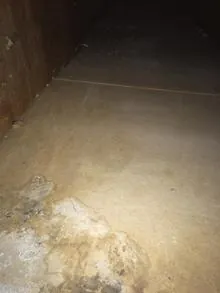
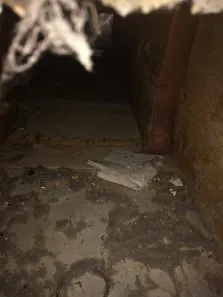
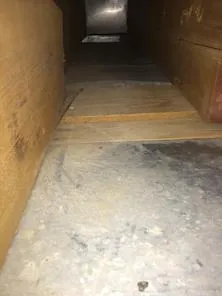
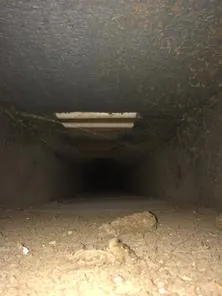
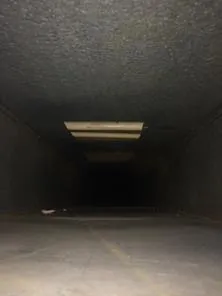
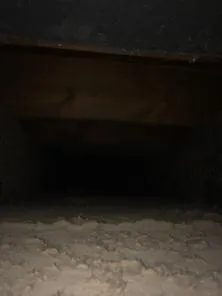
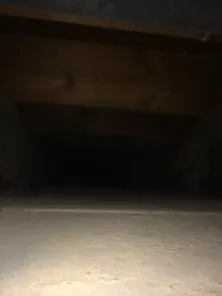
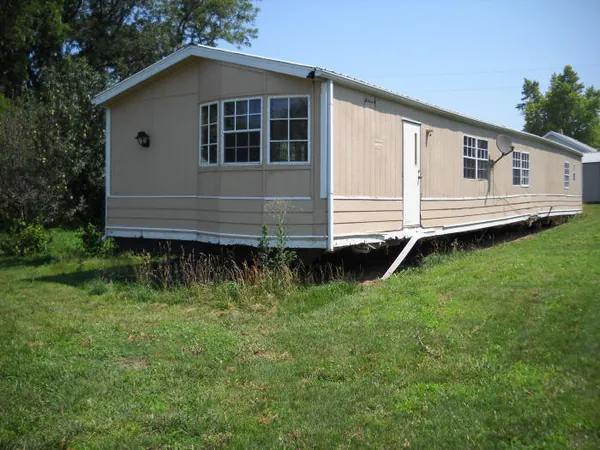
Our company services houses, manufactured homes, high-rises and apartments/condos. We don't base our quality of work on the size of the job. We will come over to your place whether you live in a mobile home or in a 3-story mansion. Our quality remains consistent no matter what.


The Air Duct Cleaning Process
We start with a quick tour of your place, counting the number of vents, returns and main ducts and checking your air handler. Then we take all vent and return covers off (if necessary). Next, we brush each supply vent as far back as it goes, and use a powerful vacuum system to suck all mechanical debris out. Then, we push the smaller mechanical debris to your main duct using powerful compressed air equipment. In order to get inside your main ducts we install special access panels in your duct work, which we close when the job is completed. After all small debris is in your main duct we use a spinning brush to scrub each square inch of your duct work and a powerful vacuum to suck it out. To make sure everything is nice and clean we do a camera inspection upon completion.